jaipur · attraction
Plan your visit to City Palace
Jaipur's City Palace is a magnificent complex of courtyards, gardens, and buildings that remains the residence of the Jaipur royal family and houses a world-class museum.
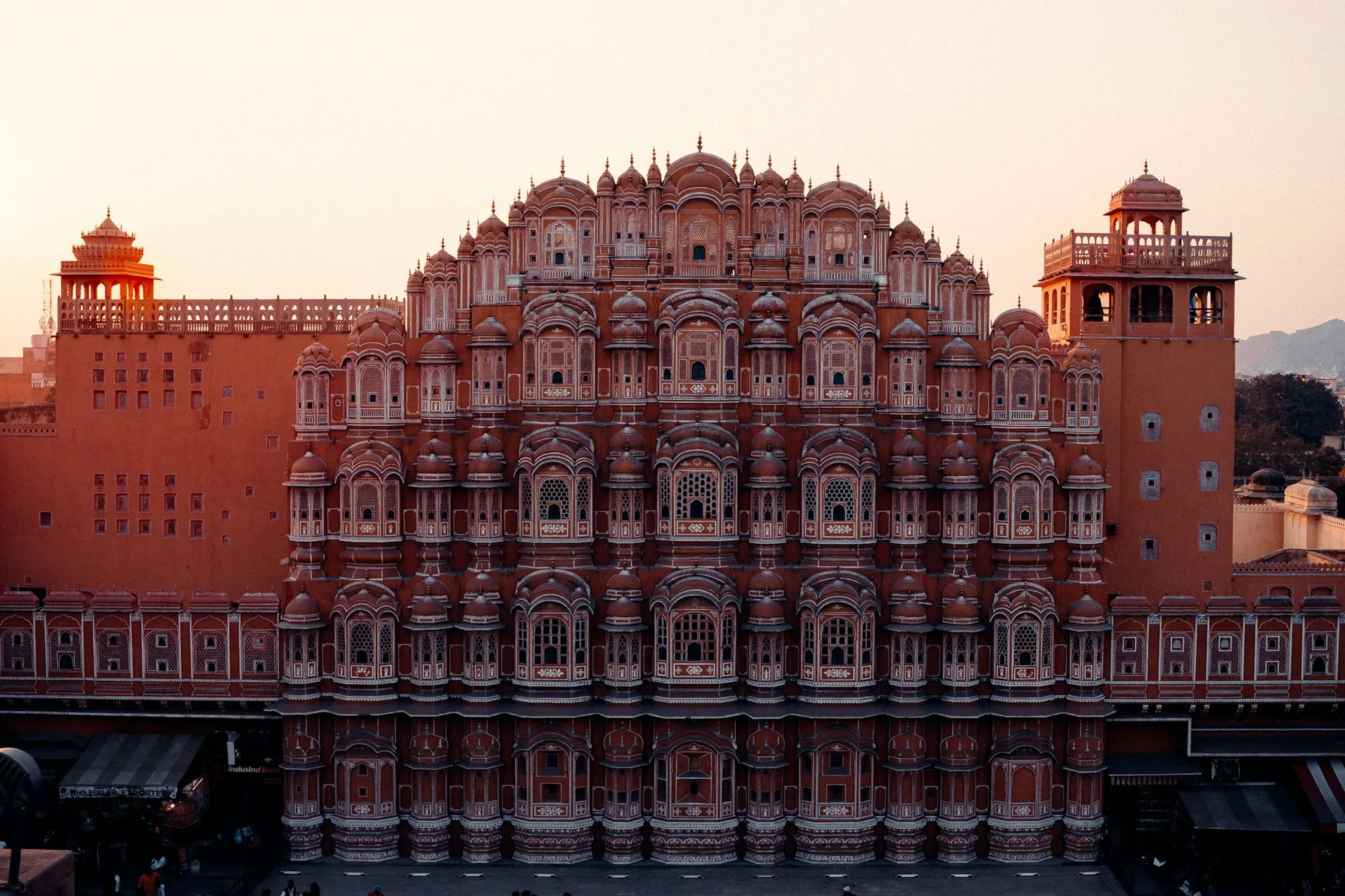
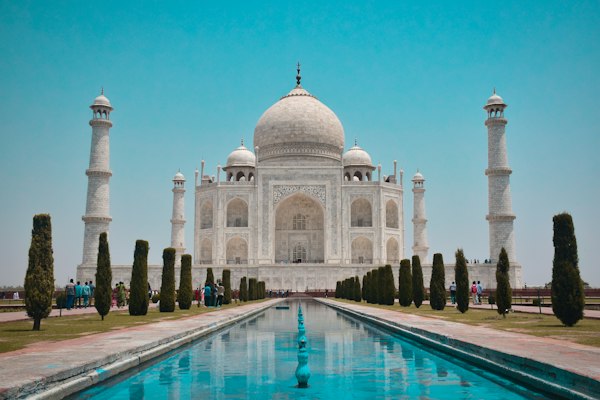
Taj Mahal · East Gate · 06:24 IST
What Is the City Palace of Jaipur?
The City Palace is a sprawling complex that occupies nearly one-seventh of the walled city of Jaipur. Built between 1729 and 1732 by Maharaja Sawai Jai Singh II — the same ruler who founded Jaipur and constructed Jantar Mantar — the palace blends Rajput, Mughal, and European architectural styles. Successive rulers expanded it over two centuries, creating the layered complex visible today.
What makes the City Palace unique among Indian royal residences is that it remains a living palace. The Jaipur royal family, descendants of the Kachhwaha Rajput dynasty, continues to reside in the Chandra Mahal section. The rest of the complex operates as a museum under the Maharaja Sawai Man Singh II Museum Trust.
What Will You See at City Palace?
The museum portion is accessed through the Virendra Pol gate, leading to a series of courtyards and buildings. The Mubarak Mahal (Welcome Palace) houses the textile and costume gallery, displaying royal garments spanning several centuries — including a staggeringly large outfit belonging to Maharaja Sawai Madho Singh I, who reportedly weighed over 250 kg and stood 2.1 meters tall.
The Pritam Niwas Chowk (Courtyard of the Beloved) features four ornate gates representing the four seasons, each decorated with distinct themes. The Peacock Gate (representing autumn) is the most photographed, with elaborate mosaic work in blue, green, and gold.
The Diwan-i-Khas (Hall of Private Audience) contains the Gangajalies — two sterling silver urns certified by the Guinness Book of World Records as the world’s largest silver objects. Each stands 1.6 meters tall, weighs 345 kg, and holds 4,091 liters. Maharaja Sawai Madho Singh II had them crafted in 1902 to transport holy Ganges water on his voyage to the coronation of King Edward VII in London (source: Maharaja Sawai Man Singh II Museum Trust).
How Should You Plan Your Visit?
City Palace is located in the heart of the old walled city, adjacent to Hawa Mahal and Jantar Mantar. Our Jaipur day tour combines all three in a walkable circuit, typically visiting them in the late morning after returning from Amber Fort.
The museum galleries deserve at least 1.5 hours. For those with a deeper interest, the Chandra Mahal royal tour (available at additional cost) provides access to the private royal chambers with a palace guide — a rare opportunity to see a functioning Indian royal household.
Photo Gallery
Location
Tulsi Marg, Gangori Bazaar, J.D.A. Market, Jaipur, Rajasthan 302002
More Attractions in Jaipur
 jaipur 2-3 hours
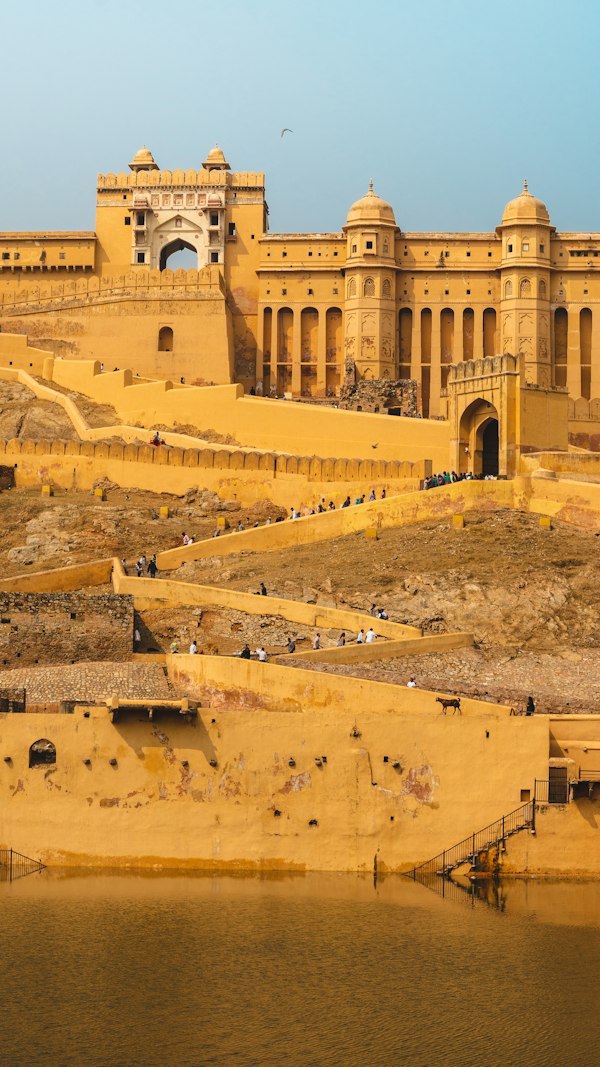
 Amber Fort
Amber Fort (Amer Fort) is a majestic hilltop fortress 11 km from Jaipur, blending Rajput and Mughal architecture with the celebrated Sheesh Mahal (Hall of Mirrors).
 jaipur 45 minutes – 1 hour
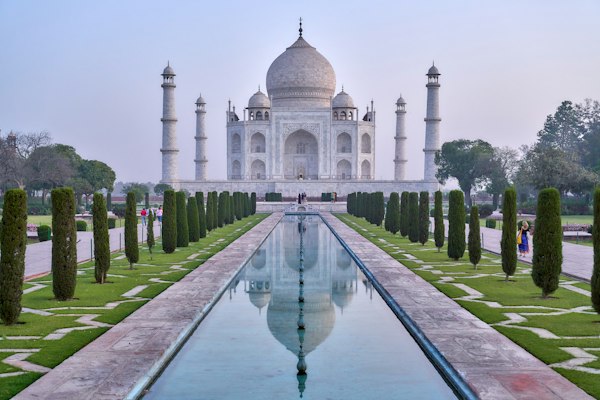
 Jantar Mantar
Jantar Mantar is an 18th-century astronomical observation site in Jaipur housing the world's largest stone sundial, a UNESCO World Heritage Site still accurate to this day.
 jaipur 45 minutes – 1 hour
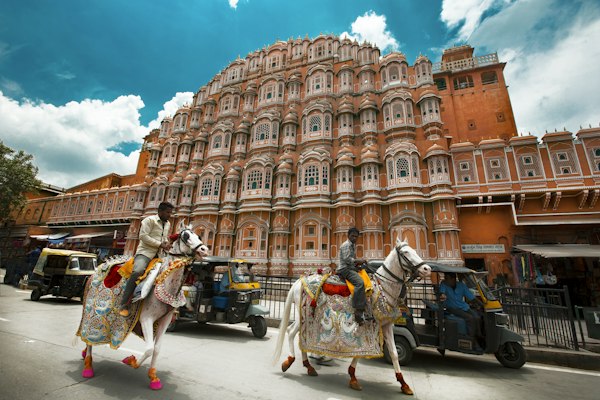
 Hawa Mahal
Hawa Mahal (Palace of Winds) is Jaipur's most iconic landmark, a five-story pink sandstone facade with 953 ornate windows built in 1799 for royal women to observe street life.
Tours Including City Palace
 3 Days / 2 Nights
 Golden Triangle Tour — 3 Days
- Sunrise visit to the Taj Mahal
- Guided tour of Red Fort and Jama Masjid in Old Delhi
- Elephant/jeep ride to Amber Fort
5 Days / 4 Nights Golden Triangle Tour — 5 Days
- Sunrise and sunset Taj Mahal views
- Chandni Chowk food walk in Old Delhi
- Amber Fort with Sheesh Mahal candlelight demo
1 Day Jaipur Day Tour
- Amber Fort with Sheesh Mahal (Mirror Palace)
- Hawa Mahal — the iconic Palace of Winds
- City Palace museum and royal collections
Frequently Asked Questions
What is the entry fee for City Palace Jaipur?
Indian nationals pay ₹200 and foreign tourists pay ₹700 for the museum section. An additional fee of ₹2,500-3,000 allows access to the Chandra Mahal royal quarters with a guided tour. Camera fees are extra.
Does the royal family still live in City Palace?
Yes. The Chandra Mahal section of the City Palace remains the official residence of the Jaipur royal family. Only part of this seven-story building is open to visitors; the upper floors are the private quarters of the current maharaja.
What are the silver urns at City Palace?
The two Gangajalies in the Diwan-i-Khas are the largest sterling silver objects in the world according to the Guinness Book of World Records. Each weighs 345 kg and holds 4,091 liters. Maharaja Sawai Madho Singh II had them made to carry Ganges water to London in 1902.
How long does it take to visit City Palace?
Plan 1.5 to 2 hours for the museum, courtyards, and galleries. If you add the Chandra Mahal tour, allow an additional 30-45 minutes.
Is City Palace near Hawa Mahal?
Yes, City Palace is immediately adjacent to Hawa Mahal and Jantar Mantar. All three attractions are within a 5-minute walk of each other in the heart of the old walled city.
Plan your trip
Want a Guided Tour of City Palace?
Our licensed guides bring history to life with stories and insights you won't find in any guidebook.