Experience the Golden Triangle
Discover India's Qutub Minar
Qutub Minar is a 72.5-meter victory tower in south Delhi, the tallest brick minaret in the world, surrounded by a complex of medieval monuments dating back to 1193 CE.
What Is Qutub Minar?
Qutub Minar is the tallest brick minaret in the world, rising 72.5 meters (237.8 feet) from the archaeological complex in Mehrauli, south Delhi. Construction began in 1193 CE under Qutub-ud-din Aibak, the founder of the Delhi Sultanate and the first Muslim ruler of Delhi, and was completed by his successor Iltutmish around 1220 CE. UNESCO inscribed the Qutub Minar and its monuments as a World Heritage Site in 1993 (source: UNESCO World Heritage List).
The tower is built of red sandstone and marble, with five distinct stories separated by intricately carved balconies. The first three stories are fluted red sandstone, while the fourth is of marble and sandstone, and the fifth is made entirely of marble — reflecting the different rulers who contributed to its construction over the centuries.
What Else Can You See in the Qutub Complex?
The Qutub complex is far more than just the minaret. The Quwwat-ul-Islam Mosque (Power of Islam Mosque), begun in 1192, was the first mosque built in Delhi after the Islamic conquest. It was constructed using materials from 27 demolished Hindu and Jain temples, and you can still see the distinctive Hindu pillars and carvings repurposed into the mosque’s arcades.
The Iron Pillar of Delhi, standing 7.2 meters tall and weighing approximately 6,000 kg, is a metallurgical enigma. Cast around 402 CE during the Gupta Empire, it has resisted significant rusting for over 1,600 years. Research by IIT Kanpur (published in the journal Current Science, 2005) found that a thin layer of misawite, a compound of iron, oxygen, and hydrogen, forms a protective passive coating.
The Alai Darwaza, built in 1311 by Sultan Alauddin Khilji, is one of the earliest examples of true Islamic architecture in India. Nearby stands the unfinished Alai Minar — Khilji’s ambitious attempt to build a tower twice the height of Qutub Minar, abandoned after his death with only the 24.5-meter first story completed.
How Should You Plan Your Visit?
The Qutub complex is located in south Delhi, accessible via the Qutub Minar metro station (Yellow Line), approximately 1 km from the entrance. Our Delhi day tour includes a visit to the Qutub complex, typically scheduled for the afternoon portion of the itinerary.
The complex is open every day and is generally less crowded than Old Delhi attractions. Allow 1 to 1.5 hours for a thorough visit. The surrounding Mehrauli Archaeological Park, stretching over 200 acres, contains additional tombs and ruins from the Sultanate and Mughal periods that are worth exploring if time permits.
Photo Gallery
Location
Mehrauli, New Delhi 110030
More Attractions in Delhi
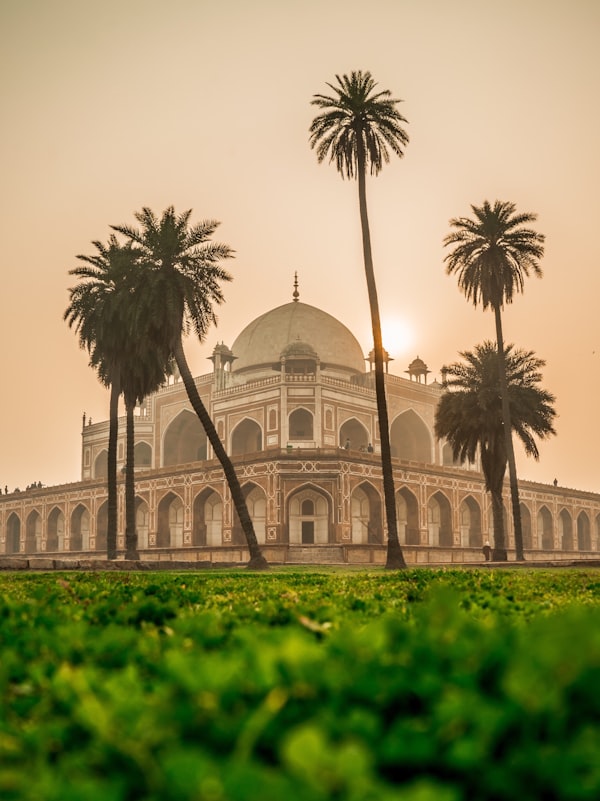 delhi 1-1.5 hours
 Humayun's Tomb
Humayun's Tomb is a stunning 16th-century Mughal garden tomb in Delhi, recognized as the architectural precursor to the Taj Mahal and a UNESCO World Heritage Site since 1993.
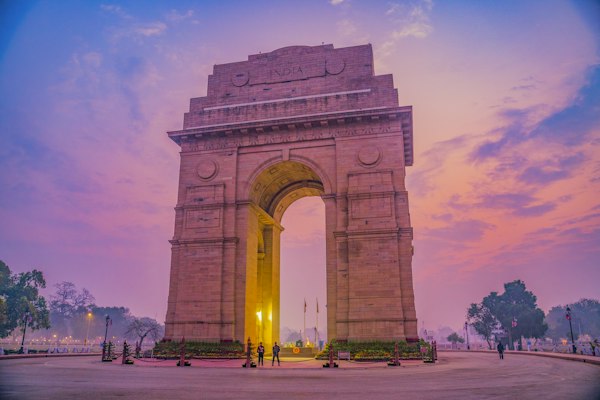
 delhi 30-45 minutes
 India Gate
India Gate is a 42-meter war memorial on the Kartavya Path in New Delhi, commemorating 82,000 soldiers who died in World War I and the Third Anglo-Afghan War.
 delhi 1.5-2 hours
 Red Fort
The Red Fort (Lal Qila) in Old Delhi is a 17th-century Mughal fortress spanning 254 acres, serving as the ceremonial and political center of the Mughal Empire for nearly 200 years.
Tours Including Qutub Minar
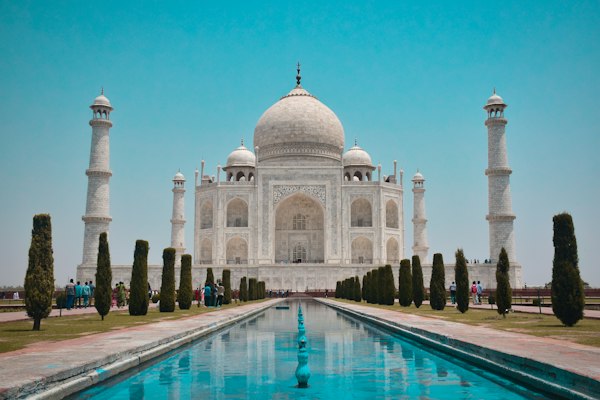 2 Days / 1 Night
 Agra Overnight Tour from Delhi
- Sunrise visit to the Taj Mahal
- Sunset at Mehtab Bagh with Taj Mahal views
- Guided tour of Agra Fort and Baby Taj
1 Day Delhi Day Tour
- Red Fort and Jama Masjid in Old Delhi
- Chandni Chowk bazaar and street food tasting
- Humayun's Tomb — precursor to the Taj Mahal
3 Days / 2 Nights Golden Triangle Tour — 3 Days
- Sunrise visit to the Taj Mahal
- Guided tour of Red Fort and Jama Masjid in Old Delhi
- Elephant/jeep ride to Amber Fort
Frequently Asked Questions
Want a Guided Tour of Qutub Minar?
Our licensed guides bring history to life with stories and insights you won't find in any guidebook.