delhi · attraction
Plan your visit to Red Fort
The Red Fort (Lal Qila) in Old Delhi is a 17th-century Mughal fortress spanning 254 acres, serving as the ceremonial and political center of the Mughal Empire for nearly 200 years.
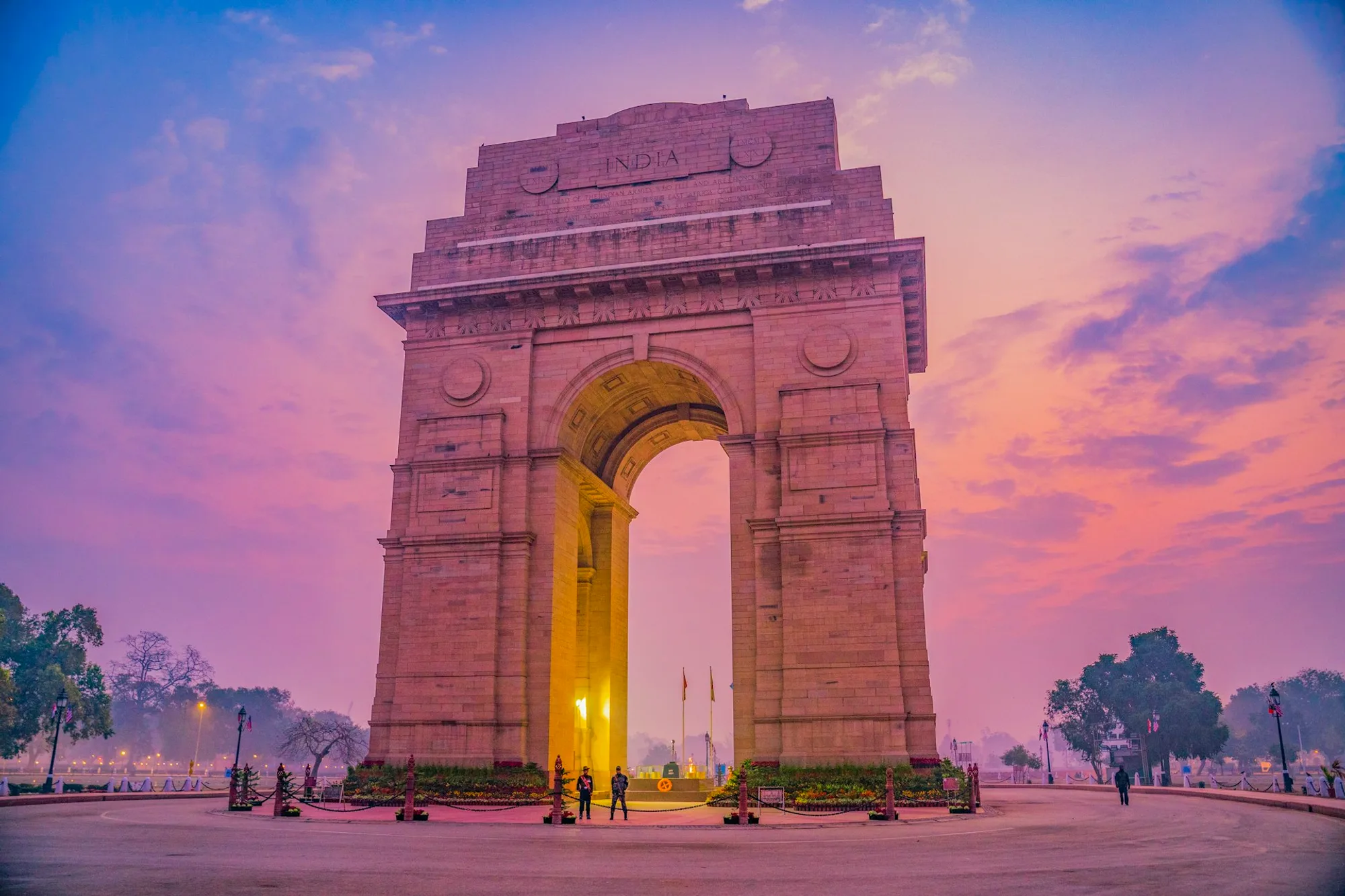
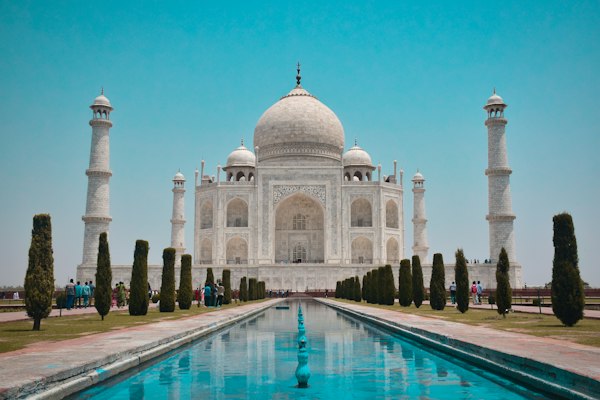
Taj Mahal · East Gate · 06:24 IST
What Is the Red Fort and Why Is It Famous?
The Red Fort (Lal Qila) is Delhi’s most iconic monument and a defining symbol of Indian sovereignty. Built by Mughal Emperor Shah Jahan between 1638 and 1648 when he moved the capital from Agra to Delhi, this massive fortress served as the residence and administrative headquarters of the Mughal emperors for nearly 200 years.
UNESCO designated the Red Fort as a World Heritage Site in 2007, recognizing it as an outstanding example of Mughal architecture at its zenith (source: UNESCO World Heritage List). The fort’s massive red sandstone walls stretch 2.5 km in perimeter and rise to a height of 33 meters on the riverside, enclosing a complex of palaces, halls, gardens, and mosques spanning 254 acres.
What Will You See Inside the Red Fort?
The Lahori Gate opens into Chhatta Chowk, a vaulted shopping arcade where Mughal courtiers once purchased silks, jewelry, and perfumes. Beyond it lies the Naubat Khana (Drum House), where musicians announced the arrival of the emperor.
The Diwan-i-Am (Hall of Public Audience) is where the emperor sat on a raised alcove to hear petitions from subjects. The Diwan-i-Khas (Hall of Private Audience) once held the legendary Peacock Throne — inlaid with sapphires, rubies, emeralds, and diamonds — before it was looted by the Persian invader Nadir Shah in 1739.
The Rang Mahal (Palace of Colors) features a marble fountain in the shape of a lotus and was the residence of the emperor’s wives. The Moti Masjid (Pearl Mosque), added by Emperor Aurangzeb, is a pristine white marble mosque for the emperor’s private worship.
How Should You Plan Your Visit?
The Red Fort is closed on Mondays. We recommend visiting on a weekday morning to avoid peak crowds. Our Delhi day tour pairs the Red Fort with Jama Masjid, Chandni Chowk, India Gate, and Humayun’s Tomb for a comprehensive Old and New Delhi experience.
The Chandni Chowk metro station (Yellow Line) is the most convenient access point, just a 5-minute walk from the Lahori Gate. After your fort visit, we recommend walking to Jama Masjid (800 meters south) and exploring the street food lanes of Chandni Chowk.
What Is the Historical Significance of the Red Fort?
The Red Fort witnessed the decline of the Mughal Empire, the Indian Rebellion of 1857, and the trial of the last Mughal emperor, Bahadur Shah Zafar, by the British. On August 15, 1947, India’s first Prime Minister, Jawaharlal Nehru, raised the Indian flag above the Lahori Gate, beginning a tradition that continues every Independence Day (source: National Archives of India).
Photo Gallery
Location
Netaji Subhash Marg, Lal Qila, Chandni Chowk, New Delhi 110006
More Attractions in Delhi
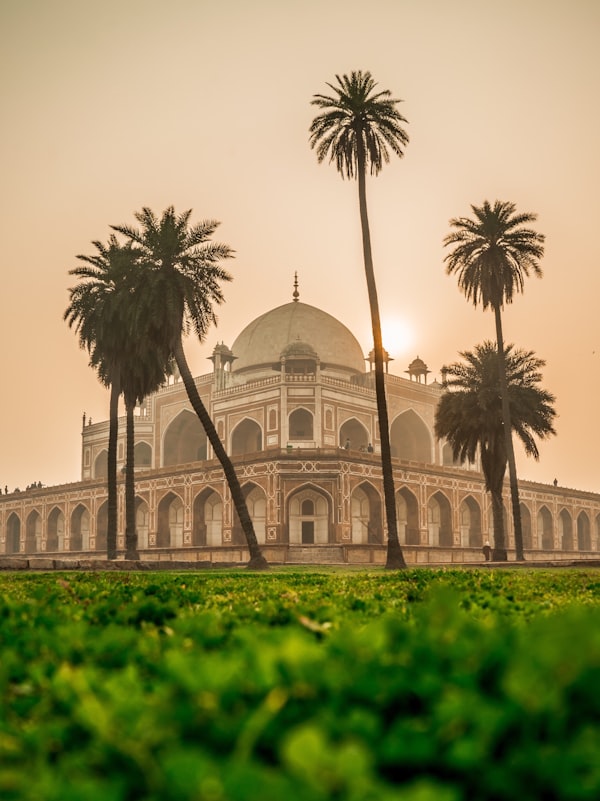 delhi 1-1.5 hours
 Humayun's Tomb
Humayun's Tomb is a stunning 16th-century Mughal garden tomb in Delhi, recognized as the architectural precursor to the Taj Mahal and a UNESCO World Heritage Site since 1993.
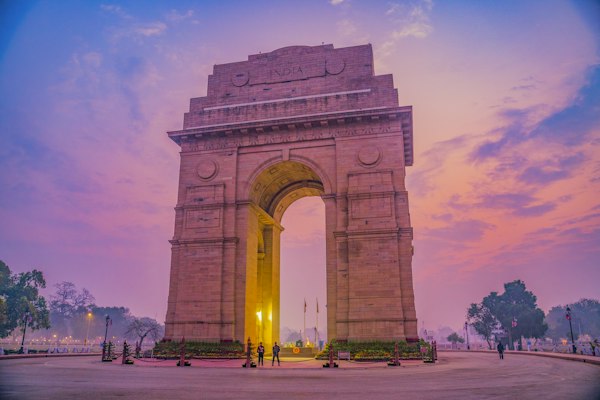
 delhi 30-45 minutes
 India Gate
India Gate is a 42-meter war memorial on the Kartavya Path in New Delhi, commemorating 82,000 soldiers who died in World War I and the Third Anglo-Afghan War.
 delhi 1-1.5 hours
 Qutub Minar
Qutub Minar is a 72.5-meter victory tower in south Delhi, the tallest brick minaret in the world, surrounded by a complex of medieval monuments dating back to 1193 CE.
Tours Including Red Fort
 2 Days / 1 Night
 Agra Overnight Tour from Delhi
- Sunrise visit to the Taj Mahal
- Sunset at Mehtab Bagh with Taj Mahal views
- Guided tour of Agra Fort and Baby Taj
1 Day Delhi Day Tour
- Red Fort and Jama Masjid in Old Delhi
- Chandni Chowk bazaar and street food tasting
- Humayun's Tomb — precursor to the Taj Mahal
3 Days / 2 Nights Golden Triangle Tour — 3 Days
- Sunrise visit to the Taj Mahal
- Guided tour of Red Fort and Jama Masjid in Old Delhi
- Elephant/jeep ride to Amber Fort
Frequently Asked Questions
What is the entry fee for the Red Fort?
Indian nationals pay ₹35 and foreign tourists pay ₹550. The Sound and Light Show has a separate ticket priced at ₹60 for Indians and ₹200 for foreigners.
Why is the Red Fort important in Indian history?
The Red Fort was the seat of Mughal power for nearly 200 years (1648-1857). It is where India's Prime Minister hoists the national flag every Independence Day (August 15), making it a symbol of the nation's sovereignty.
How long does it take to visit the Red Fort?
Most visitors spend 1.5 to 2 hours exploring the main halls, palaces, museums, and gardens. With a guide who explains the historical significance of each structure, the visit becomes far more rewarding.
Is the Red Fort the same as Agra Fort?
No. The Red Fort (Lal Qila) is in Delhi and was built by Shah Jahan in 1638-1648. Agra Fort is in Agra and was primarily built by Emperor Akbar in 1565-1573. Both are UNESCO World Heritage Sites built in red sandstone.
What is the best way to reach the Red Fort?
The nearest metro station is Chandni Chowk on the Yellow Line, about 500 meters from the Lahori Gate entrance. Auto-rickshaws and taxis are also easily available from anywhere in Delhi.
Plan your trip
Want a Guided Tour of Red Fort?
Our licensed guides bring history to life with stories and insights you won't find in any guidebook.